More eggs, healthy hens, zero losses
Practical backyard chicken hacks for real-life keepers: why hens stop laying, how to get through winter, what to feed, which breeds to pick and how to keep predators out.
Start here
Browse by topic
Latest guides
-
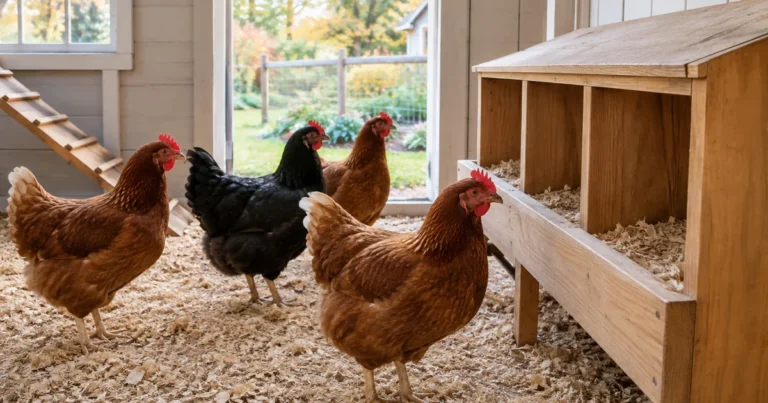
Why Are My Chickens Not Laying Eggs? 11 Causes and Easy Fixes
Short days, molt, age, stress, feed, hidden nests and more: here are the 11 reasons chickens stop laying, how to tell which one you…
-
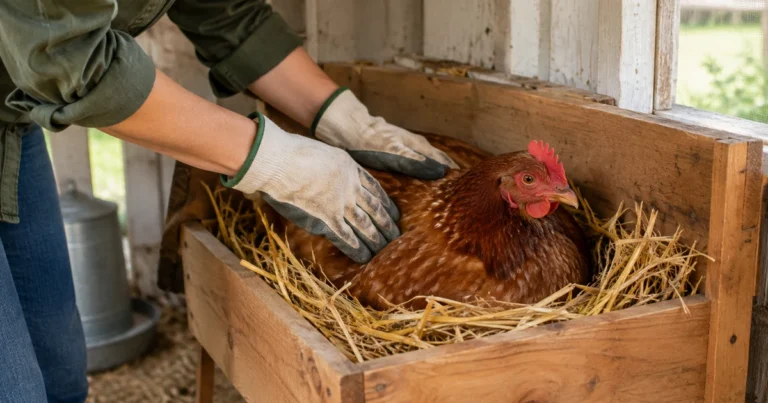
Signs of a Sick Chicken: Symptoms, First Aid and When to Call a Vet
Learn to spot a sick chicken early, set up a hospital crate, recognize common chicken diseases and know when to call a vet or…
-
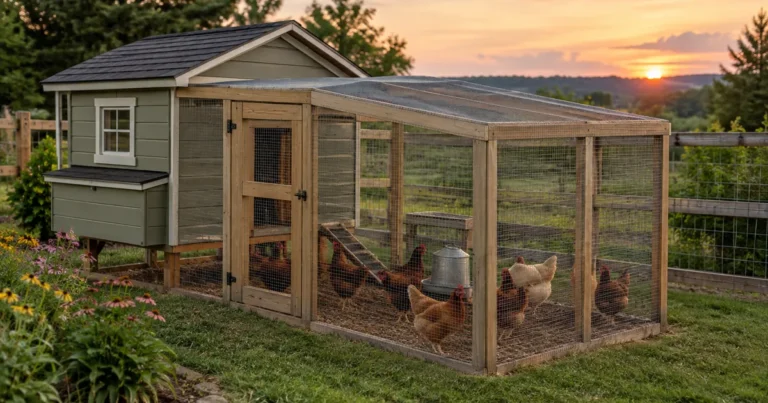
Predator-Proof Chicken Coop: How to Protect Chickens From Predators
Stop losing hens to raccoons, foxes, hawks and weasels. Identify the predator from the signs it leaves and harden your coop with the right…
-
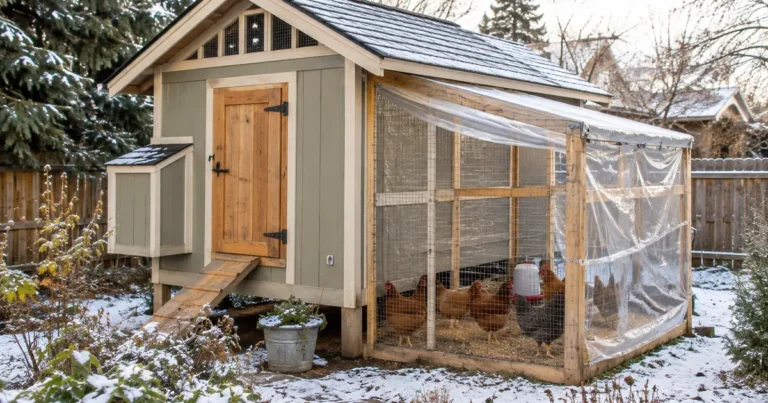
How to Winterize a Chicken Coop: Ventilation, Insulation, Litter
Dry, draft-free and well ventilated beats sealed and heated. Here is a step-by-step plan to winterize your chicken coop, from vents and insulation to…
-
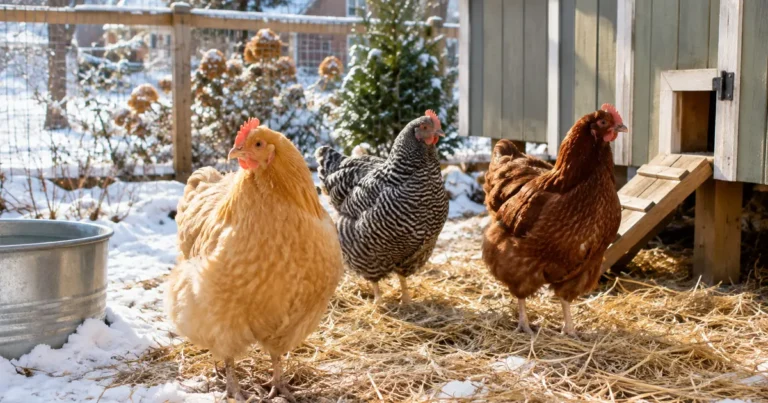
How to Keep Chickens Warm in Winter (Without Fire Risk)
Healthy chickens handle cold far better than most people think. Here is how to help them stay warm with a dry, draft-free coop, smart…
-
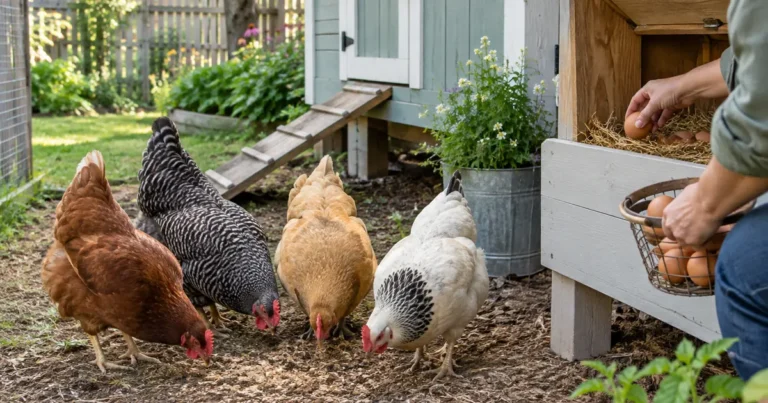
How Many Chickens Should I Get? Egg Math for Your Family
Most beginners should start with 3 to 6 hens. Use this egg math table to match your flock size to the eggs your family…
-
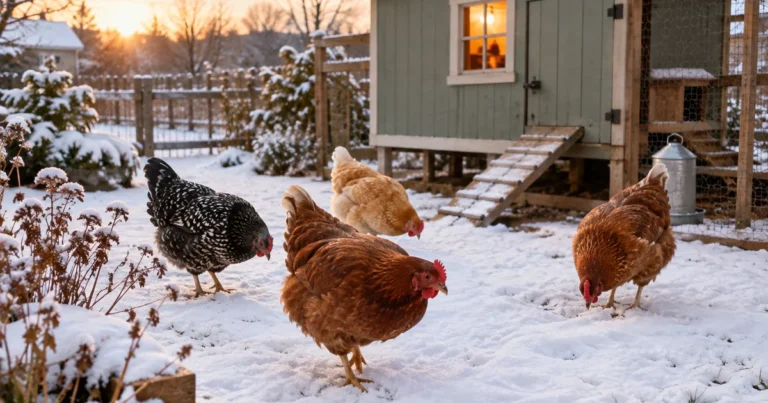
Do Chickens Lay Eggs in Winter? Light, Feed and Safe Coop Lighting
Hens slow down in winter because of short days, not cold. Here is how many hours of light they need, how to add it…
-
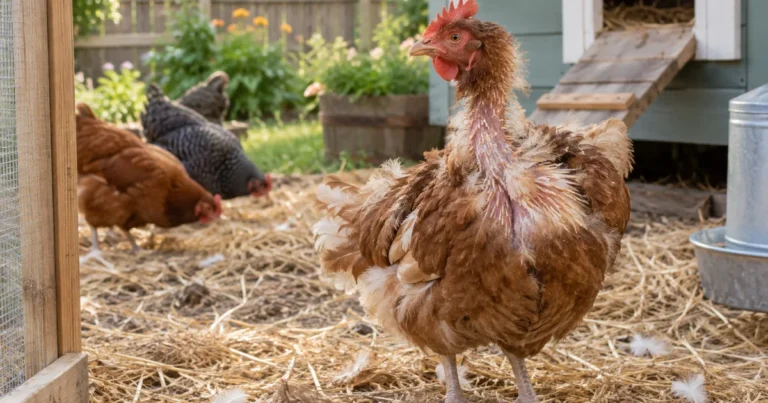
Chicken Molting: How Long It Lasts and What to Feed Molting Hens
Molting is the normal yearly feather swap that pauses laying for 8 to 12 weeks. Here is the timeline, what to feed, how to…
-
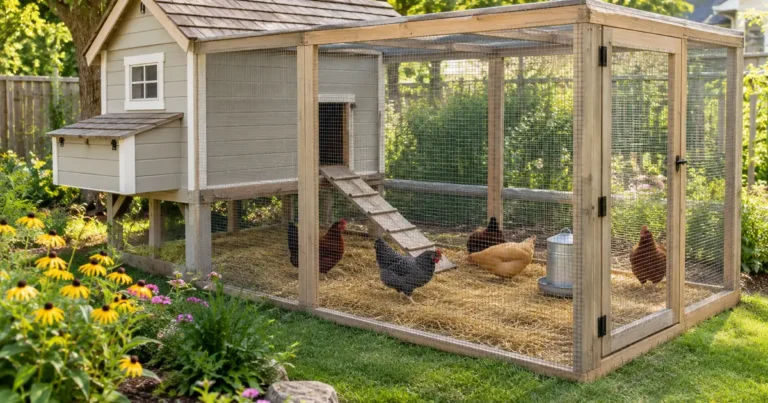
Chicken Coop Size Guide: Space, Roosts and Nesting Boxes
Plan 4 sq ft of coop and 8 to 10 sq ft of run per hen, 8 to 10 inches of roost each and…
Winter checklist for your flock
Shorter days, frozen water and drafty coops are the three big winter problems. Start with winterizing your coop (ventilation matters more than heat), keep water liquid with a heated waterer, think twice before adding a coop heater, and read why hens lay less in winter and what you can do about it.