More eggs, healthy hens, zero losses
Practical backyard chicken hacks for real-life keepers: why hens stop laying, how to get through winter, what to feed, which breeds to pick and how to keep predators out.
Start here

The complete guide · 2027 Edition
Backyard Chickens Mastery
Every coop hack in one place. A step-by-step guide for American backyard flocks, from your first chicks to your fifth winter, built on university extension research and USDA guidance.
- 188 pages: breeds, coops, feeding, laying, health, predators, seasons and chicks
- 70 Coop Hacks, 20 breed profiles, a laying troubleshooter
- 9 printable checklists, including the Winter Egg-Laying Checklist
Browse by topic
Latest guides
-

Can Chickens Eat Apples? Seeds, Cores, Peels and Applesauce
Apples are a safe, crunchy treat for chickens when you core them and keep portions small. Here is the real story on apple seeds,…
-

Dust Bath for Chickens: Why They Do It and How to Make One
Why chickens dust bathe, how to build a dust bath that stays dry, the best materials to use, and what research says about diatomaceous…
-

How Long Do Chickens Live? Lifespan vs Laying Years
Most backyard chickens live 6 to 8 years but lay well for only 3 to 4. See what shortens their lives, the oldest verified…
-

Chicken Treats: Best Healthy Treats and How Many to Give
The best chicken treats are greens, produce, plain grains and a few mealworms, kept to about 10% of the diet. Here is what to…
-

Deep Litter Method: How to Start and Keep a Healthy Coop Floor
Deep litter cuts coop cleaning to once or twice a year and gives you garden compost. Here is how to start it, what bedding…
-

Can Chickens Eat Tomatoes? Ripe Fruit Yes, Leaves and Vines No
Ripe tomatoes are a safe, low-sugar treat for chickens, but the leaves, vines and green fruit are not. Here is how to feed tomatoes…
-

Can Chickens Eat Bananas? Flesh, Peels and How Much to Feed
Ripe bananas are a safe, sweet treat for chickens, and even the peels are not toxic. Here is how much to feed, how to…
-
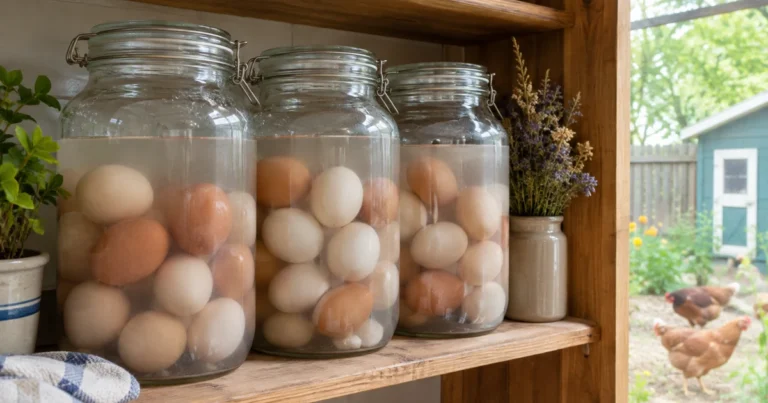
Water Glassing Eggs: How to Do It and Is It Safe?
Water glassing stores unwashed eggs in pickling lime for months. Here is the commonly used method, how to handle lime safely and what extension…
-

Broody Hen: Signs, Hatching Chicks or Breaking Broodiness
Puffed up, growling and glued to the nest? Here is how to spot a broody hen, let her hatch eggs in 21 days, or…
Winter checklist for your flock
Shorter days, frozen water and drafty coops are the three big winter problems. Start with winterizing your coop (ventilation matters more than heat), keep water liquid with a heated waterer, think twice before adding a coop heater, and read why hens lay less in winter and what you can do about it.